
Teeth Grinding at Night: Causes, Symptoms, and Treatment
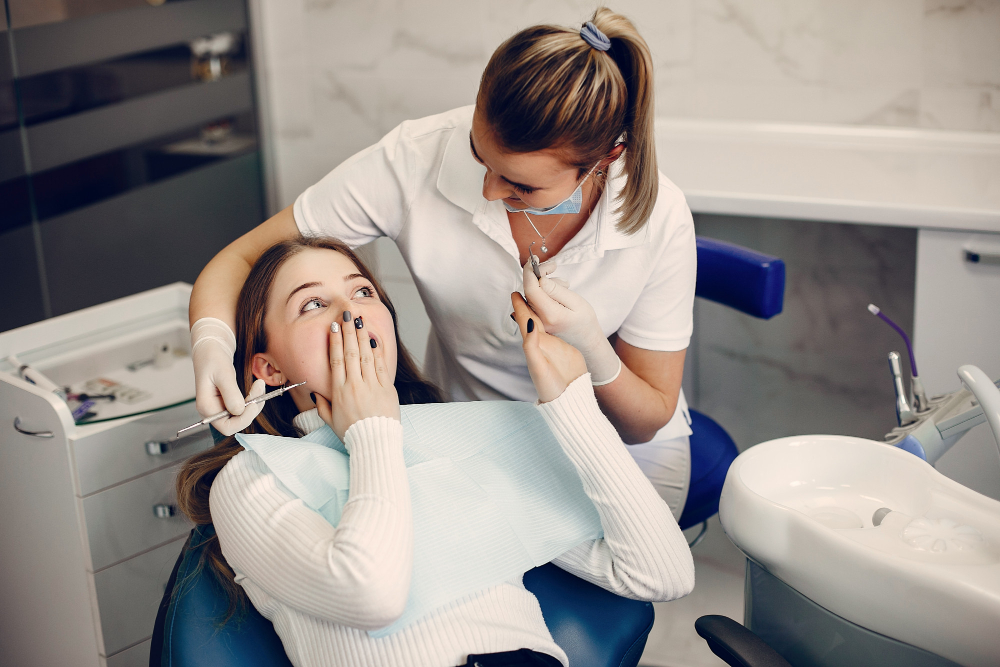
Teeth grinding at night, also known as bruxism, is a common condition that can affect both children and adults. Many people grind or clench their teeth while sleeping without even realizing it. Over time, however, this habit can put excessive pressure on the teeth and jaw, potentially leading to tooth damage, headaches, and jaw pain.
Understanding the causes and bruxism symptoms can help you recognize the problem early and take steps to protect your oral health. Fortunately, treatments such as a night guard, stress management, and professional dental care can help reduce the effects of nighttime teeth grinding.
What Is Teeth Grinding at Night?
Teeth grinding at night occurs when a person unconsciously clenches or grinds their teeth while asleep. Because it happens during sleep, many people are unaware that they have bruxism until a dentist notices signs of tooth wear or a partner hears the grinding sounds at night.
Bruxism can range from occasional teeth clenching to frequent and intense grinding. Mild cases may not cause significant problems, but persistent bruxism can gradually affect the teeth, jaw muscles, and temporomandibular joints.
Common Causes of Teeth Grinding at Night
There is no single cause of nighttime teeth grinding. Several physical, psychological, and lifestyle factors may contribute to the condition.
Stress and Anxiety
One of the most commonly discussed factors is stress and teeth grinding. People experiencing stress, anxiety, or emotional tension may unconsciously clench their jaws during the night.
Work-related pressure, personal concerns, and poor sleep can all contribute to increased muscle tension. Learning relaxation techniques and developing healthy stress-management habits may help reduce nighttime clenching.
Sleep Disorders
Certain sleep-related conditions may be associated with bruxism. For example, people who experience sleep disturbances may be more likely to grind or clench their teeth during the night.
If teeth grinding occurs together with loud snoring, interrupted breathing, or excessive daytime tiredness, it may be worth discussing these symptoms with a healthcare professional.
Lifestyle Factors
Some lifestyle habits may also contribute to bruxism. Excessive caffeine or alcohol consumption, smoking, and certain medications may be associated with increased teeth grinding in some individuals.
Reducing caffeine intake, particularly later in the day, and maintaining a consistent sleep routine may help promote better sleep and reduce jaw tension.
What Are the Symptoms of Bruxism?
Recognizing bruxism symptoms can be difficult because many of them develop gradually. Some common signs include:
- Worn, flattened, chipped, or cracked teeth
- Increased tooth sensitivity
- Morning headaches
- Jaw soreness or jaw pain
- Facial muscle tenderness
- Ear-area discomfort without an ear infection
- Tightness or fatigue in the jaw muscles
- Tooth indentations on the tongue or cheeks
- Grinding or clenching sounds during sleep
- Difficulty or discomfort when opening the mouth
Some people wake up with a tired or stiff jaw even though they do not remember grinding their teeth during the night.
How Can Teeth Grinding Affect Your Teeth?
Occasional teeth grinding may not cause serious damage, but persistent bruxism can place considerable pressure on the teeth.
Over time, repeated grinding may wear down the protective enamel layer. As enamel becomes thinner, teeth may become more sensitive to hot, cold, or sweet foods and drinks. Severe grinding can also contribute to chipped or fractured teeth and may increase the need for dental treatment.
This is why early recognition and treatment are important, especially when symptoms occur regularly.
Jaw Pain and Teeth Grinding
Jaw pain is one of the most noticeable symptoms associated with nighttime bruxism. Constant clenching can overwork the muscles responsible for chewing, causing soreness and stiffness.
Some people may also experience discomfort around the temples, cheeks, or ears. In more persistent cases, bruxism can affect the temporomandibular joints, commonly known as the TMJ.
If jaw pain is persistent, severe, or accompanied by difficulty opening or closing the mouth, a dental examination can help determine the underlying cause.
Can a Night Guard Help With Teeth Grinding?
A night guard is one of the common approaches used to protect teeth from the effects of nighttime grinding. It creates a protective barrier between the upper and lower teeth, helping reduce direct tooth-to-tooth contact.
A dentist can evaluate your teeth and recommend an appropriate type of night guard. Custom-made dental appliances are designed to fit an individual's mouth and may be more comfortable and effective than poorly fitting over-the-counter options.
It is important to understand that a night guard primarily protects the teeth from damage. It may not eliminate the underlying cause of bruxism.
Treatment Options for Bruxism
Treatment depends on the severity of the condition and its underlying causes. A dentist may recommend one or more of the following approaches:
1. Dental Examination
A dental examination can identify signs of tooth wear, cracks, sensitivity, or other problems associated with bruxism. Your dentist can also assess your jaw muscles and bite.
2. Night Guard
A properly fitted night guard can help protect the teeth from grinding and reduce direct contact between the upper and lower teeth during sleep.
3. Stress Management
Because stress and teeth grinding can be connected, relaxation techniques may be useful for some people. Meditation, breathing exercises, regular physical activity, and establishing a calming bedtime routine may help reduce overall tension.
4. Improving Sleep Habits
Maintaining regular sleeping hours and creating a comfortable, relaxing sleep environment may support better sleep quality. Limiting caffeine in the evening can also be helpful.
5. Treating Underlying Conditions
If bruxism is associated with another health or sleep-related condition, addressing that condition may be an important part of treatment.
When Should You See a Dentist?
If you regularly wake up with jaw pain, headaches, tooth sensitivity, or a tired jaw, it may be worth speaking with a dentist. You should also schedule an examination if someone tells you that you grind your teeth while sleeping.
Early evaluation can help identify tooth damage before it becomes more extensive. Your dentist can determine whether a night guard or another treatment approach is appropriate for your situation.
Final Thoughts
Teeth grinding at night is a common condition, but persistent bruxism should not be ignored. Understanding the causes and recognizing bruxism symptoms can help you take action before significant tooth or jaw problems develop.
From using a properly fitted night guard to managing stress and teeth grinding, there are several ways to reduce the impact of bruxism. If you experience ongoing jaw pain, tooth sensitivity, or visible tooth wear, consult a dental professional for an evaluation and personalized treatment recommendations.
Protecting your teeth starts with recognizing the signs early and taking the right steps to maintain a healthy smile.
Are you ready to modernize your clinic?
Join over 500 international clinics that use Medvouch to make their patient cycle more efficient.