
Root Canal Treatment: What Really Happens
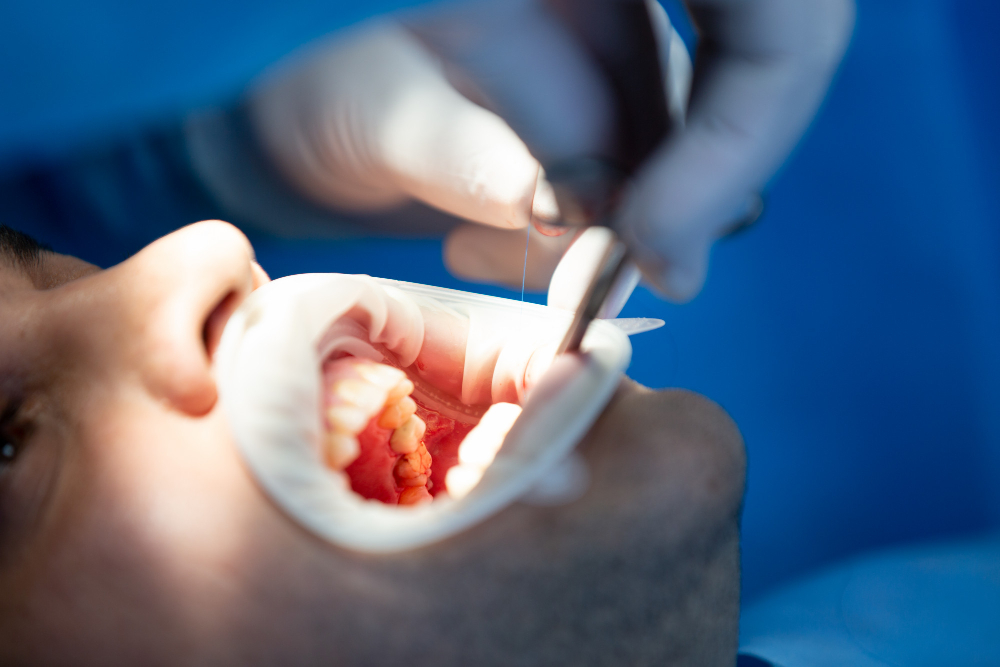
Hearing the words “root canal” can make many people feel nervous. However, root canal treatment is a common dental procedure designed to save a damaged or infected tooth and relieve discomfort. Modern techniques and local anesthesia have also made the procedure much more comfortable than many patients expect.
But what actually happens during a root canal? Why is it necessary, and does root canal pain really occur? In this guide, we will explain the process step by step and discuss what you can expect before, during, and after treatment.
What Is Root Canal Treatment?
Root canal treatment is a dental procedure used to treat an infection or inflammation inside a tooth. The innermost part of the tooth contains a soft tissue called the dental pulp, which includes nerves and blood vessels.
When the pulp becomes infected or severely inflamed because of deep decay, cracks, trauma, or repeated dental procedures, treatment may be necessary to prevent the problem from spreading.
During treatment, the dentist or endodontist removes the infected or damaged pulp, cleans and disinfects the inside of the tooth, and then seals it to prevent further infection.
What Causes a Tooth Infection?
A tooth infection can develop when bacteria enter the inner part of the tooth. This can happen when tooth decay progresses deep into the tooth, or when an injury or crack creates an opening for bacteria.
Common signs of a tooth infection may include:
- Persistent toothache
- Sensitivity to hot or cold foods and drinks
- Pain when biting or chewing
- Swelling around the tooth or gums
- Tenderness in the jaw
- A bad taste in the mouth
- In some cases, fever or facial swelling
Not every infected tooth causes obvious symptoms. Sometimes a dental infection is discovered during a routine examination or dental X-ray.
Who Performs Root Canal Treatment?
A general dentist can perform many root canal procedures. However, some cases may be referred to an endodontist.
Endodontics is the branch of dentistry that focuses on diseases and injuries affecting the dental pulp and tissues surrounding the roots of teeth. An endodontist receives additional training in procedures such as root canal treatment and the management of complex tooth infections.
Your dentist can determine whether your case can be treated in a general dental practice or whether specialist care may be appropriate.
What Really Happens During a Root Canal?
Understanding the steps involved can make the procedure feel less intimidating.
1. Examination and Diagnosis
Before treatment begins, your dentist will examine the tooth and may take dental X-rays. These images help determine the extent of the infection and the shape of the root canals.
The dentist will also discuss your symptoms and may perform sensitivity or other diagnostic tests.
2. Local Anesthesia
The area around the affected tooth is numbed with local anesthesia. The goal is to keep you comfortable throughout the procedure.
Many patients associate root canals with severe root canal pain, but the treatment itself is generally performed under local anesthesia. If you are particularly anxious or sensitive, let your dental team know before treatment begins.
3. Accessing the Inside of the Tooth
Once the tooth is numb, the dentist creates a small opening in the tooth to access the pulp chamber and root canals.
A protective dental device called a rubber dam may be used to keep the tooth dry and help prevent saliva and bacteria from entering the treatment area.
4. Removing the Infected Tissue
The dentist carefully removes the damaged or infected pulp from inside the tooth. Specialized instruments are used to clean the root canals.
This is one of the most important stages of root canal treatment, because infected tissue and bacteria need to be removed as thoroughly as possible.
5. Cleaning and Shaping the Root Canals
The root canals are cleaned, disinfected, and shaped so they can be properly filled.
The exact anatomy of each tooth is different. Some teeth have relatively simple canals, while others may have narrow, curved, or additional canals that require more advanced techniques.
6. Filling and Sealing the Tooth
After the canals have been cleaned and prepared, they are filled with a biocompatible material and sealed.
The purpose of this step is to close the space and reduce the possibility of bacteria entering the root canal system again.
7. Restoring the Tooth
After the root canal, the tooth may need a permanent restoration such as a filling or dental crown.
A crown is often recommended for teeth that have lost a significant amount of tooth structure, particularly back teeth that experience considerable chewing pressure.
Your dentist will determine which restoration is appropriate based on the condition and location of the tooth.
Is Root Canal Treatment Painful?
One of the most common concerns patients have is root canal pain.
Because local anesthesia is used during treatment, most patients should not experience significant pain while the procedure is being performed. You may feel pressure or vibration, but you should tell your dentist if you experience discomfort so additional anesthesia can be provided when appropriate.
After treatment, it is normal for the tooth and surrounding tissues to feel somewhat tender or sensitive for a few days. This discomfort can often be managed with medication recommended by your dentist.
However, severe, worsening, or persistent pain should be discussed with your dental professional.
How Long Does Root Canal Treatment Take?
The length of treatment varies depending on the tooth and the complexity of the case.
Some teeth can be treated in one appointment, while others may require multiple visits. Factors such as the number of root canals, the severity of the infection, the anatomy of the tooth, and whether additional treatment is required can all affect the treatment time.
Your dentist or endodontist can give you a more specific estimate after examining your tooth.
What Should You Expect After Treatment?
Some tenderness after root canal treatment is possible, particularly if there was significant inflammation or infection around the tooth before treatment.
For the first few days, your dentist may recommend avoiding chewing hard foods on the treated tooth until the permanent restoration has been completed.
It is also important to maintain good oral hygiene. Brush and floss regularly and continue attending routine dental check-ups.
If your dentist recommends a crown or another permanent restoration, it is important not to delay it unnecessarily. A tooth that has undergone root canal treatment may require additional protection from fracture depending on how much tooth structure remains.
Can Root Canal Treatment Save a Tooth?
One of the main purposes of root canal treatment is to preserve a natural tooth that might otherwise require extraction.
By removing the infected pulp, cleaning the root canal system, and sealing the tooth, treatment can eliminate the source of infection while allowing the natural tooth to remain in place.
However, whether a tooth can be successfully treated depends on factors such as the amount of remaining tooth structure, the condition of the surrounding tissues, the nature of the infection, and the overall restorability of the tooth.
Root Canal Treatment vs. Tooth Extraction
When a tooth has a serious infection, patients may sometimes have two possible treatment paths: saving the tooth with root canal treatment or removing it through extraction.
Root canal treatment focuses on preserving the natural tooth. Extraction removes the tooth completely and may require additional treatment afterward if the missing tooth needs to be replaced.
Your dentist can evaluate the condition of your tooth and explain the available options based on your individual circumstances.
When Should You See a Dentist?
If you have persistent tooth pain, swelling, sensitivity, or discomfort when biting, it is important to arrange a dental examination.
A tooth infection can sometimes progress without obvious symptoms, so regular dental examinations are also important even when you feel fine.
Early diagnosis can allow your dentist to identify problems before they become more complicated.
Are you ready to modernize your clinic?
Join over 500 international clinics that use Medvouch to make their patient cycle more efficient.