
Pregnancy Gingivitis: Causes, Symptoms, and Treatment Options
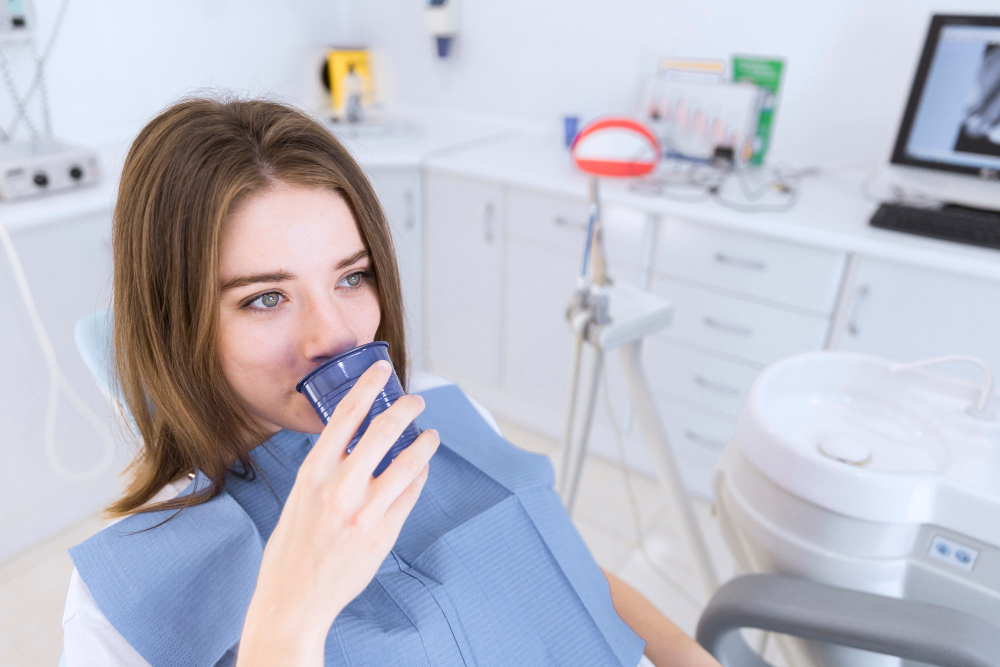
Pregnancy is an exciting time filled with physical and hormonal changes. While many of these changes are expected, some may affect oral health in ways that are easy to overlook. One common dental concern during pregnancy is pregnancy gingivitis, a form of gum inflammation that can cause redness, swelling, tenderness, and bleeding.
If you have noticed swollen gums during pregnancy or experience bleeding gums pregnancy symptoms while brushing or flossing, you are not alone. Hormonal fluctuations can make your gums more sensitive to plaque, increasing the risk of inflammation. Fortunately, with proper oral hygiene, regular dental checkups, and appropriate professional care, pregnancy-related gingivitis can usually be managed effectively.
In this guide, we will explore the causes, symptoms, prevention methods, and treatment options for pregnancy gingivitis to help you maintain healthy gums throughout your pregnancy.
What Is Pregnancy Gingivitis?
Pregnancy gingivitis is inflammation of the gums that develops or worsens during pregnancy. It is primarily associated with hormonal changes, particularly increases in estrogen and progesterone, which can influence how gum tissues respond to plaque bacteria.
Plaque is a sticky film of bacteria that accumulates on teeth, especially along the gumline. When plaque is not removed effectively, it can irritate the surrounding gum tissue and trigger inflammation.
Although gingivitis can affect anyone, pregnant individuals may experience a stronger inflammatory response to the same amount of plaque. This is why pregnancy gum inflammation is relatively common, particularly during the second and third trimesters.
Pregnancy gingivitis does not automatically mean that permanent damage has occurred. In many cases, symptoms improve with good oral hygiene and professional dental care. However, untreated gingivitis can sometimes progress to periodontitis, a more serious form of gum disease that affects the tissues supporting the teeth.
What Causes Pregnancy Gingivitis?
Several factors can contribute to pregnancy gingivitis. Understanding these causes can help you take the right steps to protect your oral health.
1. Hormonal Changes
Hormonal fluctuations are one of the main reasons gum inflammation may increase during pregnancy. Higher levels of estrogen and progesterone can affect blood flow to the gums and influence the body's inflammatory response to plaque bacteria.
As a result, the gums may become more sensitive, swollen, and prone to bleeding, even when plaque levels have not changed significantly.
2. Plaque Buildup
Plaque is the primary trigger for gingivitis. When bacteria accumulate along the gumline, they can irritate the gums and cause inflammation.
During pregnancy, hormonal changes may make the gum tissue more reactive to this bacterial buildup. Consistent brushing and daily cleaning between the teeth are therefore essential for preventing pregnancy gum inflammation.
3. Morning Sickness and Acid Exposure
Morning sickness can make oral care more challenging. Frequent vomiting exposes the teeth to stomach acid, which can gradually weaken tooth enamel.
Nausea may also make brushing uncomfortable, leading some pregnant individuals to brush less frequently or avoid certain areas of the mouth. These changes can contribute to plaque accumulation and increase the risk of gum problems.
If you experience vomiting, rinse your mouth with water afterward. Avoid brushing immediately, as enamel may be temporarily softened by stomach acid.
4. Changes in Eating Habits
Pregnancy cravings, frequent snacking, and changes in meal patterns can influence oral health. Frequent consumption of sugary foods and drinks can increase the risk of tooth decay, while irregular oral hygiene routines may allow plaque to build up.
Maintaining a balanced diet and following a consistent oral care routine can help support healthy teeth and gums.
5. Difficulty Maintaining Oral Hygiene
Nausea, fatigue, and a sensitive gag reflex can make brushing and flossing more difficult during pregnancy.
If brushing causes discomfort, try using a small-headed toothbrush, a mild-flavored toothpaste, and gentle brushing techniques. Making small adjustments can help you maintain effective oral hygiene without increasing discomfort.
Common Symptoms of Pregnancy Gingivitis
Recognizing the early signs of pregnancy gingivitis can help you seek treatment before the inflammation becomes more severe.
Common symptoms include:
- Swollen gums during pregnancy: The gums may appear enlarged, puffy, or more prominent around the teeth.
- Bleeding gums pregnancy: You may notice blood when brushing, flossing, or eating certain foods.
- Red or dark pink gums: Healthy gums are generally firm and pink, while inflamed gums may appear redder than usual.
- Gum tenderness: The gums may feel sensitive when brushing or chewing.
- Bad breath: Bacterial buildup and gum inflammation can contribute to persistent unpleasant breath.
- Gum sensitivity: The gum tissue may become more uncomfortable during everyday oral hygiene.
- Increased gum irritation: The gumline may feel sore or appear inflamed even when there is no obvious injury.
Symptoms can vary from mild irritation to more noticeable inflammation. Although occasional gum bleeding is common during pregnancy, it should not be ignored.
If you experience persistent bleeding, significant pain, pus around the gums, loose teeth, or facial swelling, contact a dental professional promptly.
When Does Pregnancy Gingivitis Usually Start?
Pregnancy gingivitis can develop at different stages of pregnancy, although it often becomes more noticeable during the second trimester.
During the first trimester, hormonal changes begin to affect the body, and some individuals may notice increased gum sensitivity. Symptoms may become more pronounced during the second trimester as hormonal levels continue to change.
In the third trimester, gum inflammation may persist or worsen if plaque buildup is not adequately controlled.
The severity of symptoms varies from person to person. Some pregnant individuals experience only mild bleeding, while others develop more noticeable swelling and tenderness.
Pregnancy gingivitis may improve after delivery as hormone levels return toward their usual levels. However, good oral hygiene and professional dental care remain important because hormonal changes alone do not remove the plaque responsible for gum inflammation.
Pregnancy Gingivitis Treatment Options
The appropriate approach to gingivitis treatment during pregnancy depends on the severity of inflammation and your overall oral health. The good news is that most cases can be managed with safe, effective dental care.
1. Professional Dental Cleaning
Professional dental cleaning is one of the most effective ways to manage pregnancy gingivitis.
A dentist or dental hygienist can remove plaque and hardened tartar, also known as calculus, from the teeth and gumline. This helps reduce the bacterial irritation responsible for inflammation.
Routine dental examinations and necessary preventive or restorative treatments are generally safe during pregnancy. Be sure to tell your dentist that you are pregnant and how far along you are so they can tailor your care appropriately.
2. Brush Your Teeth Twice Daily
Brushing twice a day with fluoride toothpaste helps remove plaque and protect against tooth decay.
Use a soft-bristled toothbrush and gentle circular movements, paying particular attention to the gumline. Avoid aggressive brushing, as excessive pressure can irritate the gums.
If morning sickness makes brushing uncomfortable, consider brushing at a different time of day or using a smaller toothbrush with a mild flavor.
3. Clean Between Your Teeth Daily
Brushing alone cannot effectively remove plaque from every space between the teeth. Daily flossing or using an appropriately sized interdental brush can help reduce plaque buildup in these areas.
If your gums bleed when you first begin cleaning between your teeth, gentle and consistent cleaning may help improve the inflammation. However, persistent or heavy bleeding should be assessed by a dentist.
4. Use an Appropriate Mouthwash
An alcohol-free mouthwash may be a useful addition to your oral hygiene routine, but it should not replace brushing or interdental cleaning.
Some therapeutic mouthwashes may be recommended for specific gum conditions. If you need a medicated rinse, consult your dentist or healthcare professional before using it during pregnancy.
Avoid starting antiseptic or prescription mouthwash treatments without professional guidance.
5. Maintain a Balanced Diet
A nutritious diet supports both maternal health and oral health.
Choose a variety of vegetables, fruits, whole grains, protein-rich foods, and calcium-containing foods. Drink water regularly and limit frequent exposure to sugary snacks and beverages.
If nausea makes it difficult to eat normally, smaller, more frequent meals may be easier to tolerate. Rinsing with water after vomiting can also help reduce acid exposure to the teeth.
6. Treat More Advanced Gum Disease
If inflammation does not improve with routine cleaning and oral hygiene, your dentist may evaluate you for periodontitis or another dental condition.
When indicated, professional periodontal treatment, such as scaling and root planing, can be performed during pregnancy. Your dentist will determine the most appropriate treatment based on your symptoms and clinical findings.
Do not delay necessary dental care simply because you are pregnant. Prompt assessment can help prevent a manageable gum problem from becoming more serious.
Is Dental Treatment Safe During Pregnancy?
Many people worry that dental treatment may harm their developing baby. However, preventive, diagnostic, and necessary restorative dental care is generally considered safe throughout pregnancy.
Routine cleanings, dental examinations, and treatment for gum disease can usually be performed when needed. Dental X-rays may also be taken when clinically necessary, using appropriate radiation protection and current safety protocols.
Local anesthetics commonly used in dentistry can generally be used during pregnancy when clinically appropriate. Your dentist will consider your pregnancy, medical history, and the specific procedure before recommending treatment.
If a dental problem requires treatment, delaying care may allow the condition to worsen. The best approach is to inform your dental team about your pregnancy and discuss any concerns before beginning treatment.
How to Prevent Pregnancy Gingivitis
Although hormonal changes cannot be prevented, you can reduce your risk of developing significant gum inflammation by following a consistent oral health routine.
Here are some practical prevention tips:
- Brush twice daily with fluoride toothpaste.
- Clean between your teeth every day using floss or interdental brushes.
- Schedule regular dental checkups and professional cleanings.
- Drink water regularly to help manage dry mouth and rinse away food debris.
- Limit frequent sugary snacks and drinks.
- Rinse your mouth with water after vomiting and wait before brushing.
- Choose a soft-bristled toothbrush and avoid aggressive brushing.
- Seek dental advice if bleeding, swelling, or tenderness persists.
Establishing these habits early in pregnancy can help keep plaque under control and reduce the likelihood of more severe inflammation.
Can Pregnancy Gingivitis Affect Your Baby?
Pregnancy gingivitis itself is a localized inflammatory condition affecting the gums. However, researchers have investigated possible associations between more severe periodontal disease and adverse pregnancy outcomes, including preterm birth and low birth weight.
Some studies have reported associations, but this does not establish that gum disease directly causes these outcomes. Research findings have been mixed, and the relationship remains complex.
It is important to distinguish ordinary pregnancy gingivitis from periodontitis, which involves deeper inflammation and damage to the tissues supporting the teeth.
Maintaining good oral health during pregnancy is beneficial for your comfort and overall well-being. If you notice symptoms of gum disease, seek professional dental advice rather than assuming that bleeding or swelling is simply a normal part of pregnancy.
When Should You See a Dentist?
Mild gum sensitivity may improve with careful oral hygiene, but persistent symptoms deserve professional attention.
Arrange a dental appointment if you experience:
- Bleeding gums that continue despite gentle, regular brushing and flossing.
- Swelling or redness that does not improve.
- Persistent bad breath or an unpleasant taste.
- Pain when brushing or chewing.
- Gum recession or changes in how your teeth fit together.
- Pus around the gums or loose teeth.
Seek urgent dental care for severe pain, rapidly increasing swelling, fever, or swelling that affects your face or makes swallowing difficult.
Early assessment can help your dentist identify the cause of your symptoms and recommend an appropriate treatment plan.
Frequently Asked Questions About Pregnancy Gingivitis
Does pregnancy gingivitis go away after birth?
Pregnancy-related gum inflammation often improves after delivery as hormone levels change. However, plaque and tartar still need to be removed. If symptoms persist after childbirth, arrange a dental examination.
Is bleeding gums during pregnancy normal?
Bleeding gums are common during pregnancy because hormonal changes can make the gums more sensitive to plaque. Nevertheless, bleeding is a sign of inflammation and should not be dismissed. Gentle brushing, daily interdental cleaning, and professional dental care can help address the underlying cause.
Can I get my teeth cleaned while pregnant?
Yes. Professional dental cleanings are generally safe during pregnancy and can help prevent or manage gingivitis. Tell your dental professional that you are pregnant so your care can be planned appropriately.
What is the fastest way to reduce swollen gums during pregnancy?
The most effective approach is to reduce plaque through gentle brushing, daily cleaning between the teeth, and professional dental cleaning when needed. Avoid harsh brushing or unapproved home remedies. If swelling is severe or persistent, consult your dentist.
Can pregnancy gingivitis harm my teeth?
Gingivitis affects the gums and does not directly destroy the bone supporting the teeth. However, if left untreated, it may progress to periodontitis in susceptible individuals. Periodontitis can damage the supporting tissues and eventually contribute to tooth loss.
Should I stop flossing if my gums bleed?
Not necessarily. Gentle, consistent flossing can help remove plaque that contributes to bleeding. Avoid snapping floss into the gums, and use a technique that cleans the sides of each tooth carefully. If bleeding continues or is heavy, seek professional advice.
Conclusion
Pregnancy gingivitis is a common oral health concern caused by the interaction between hormonal changes and plaque bacteria. Symptoms such as swollen gums during pregnancy, tenderness, redness, and bleeding gums pregnancy can be uncomfortable, but they are often manageable with proper care.
Effective gingivitis treatment during pregnancy typically includes professional dental cleaning, twice-daily brushing, daily interdental cleaning, and appropriate follow-up with a dentist. A balanced diet and consistent oral hygiene habits can also help protect your gums throughout pregnancy.
Most importantly, do not ignore persistent gum inflammation or postpone necessary dental care because you are pregnant. With early attention and the right preventive measures, you can support your oral health and maintain a healthier smile before, during, and after pregnancy.
Disclaimer: This article is for educational purposes only and does not replace professional dental or medical advice. Consult a qualified dental professional for diagnosis and individualized treatment recommendations during pregnancy.
Are you ready to modernize your clinic?
Join over 500 international clinics that use Medvouch to make their patient cycle more efficient.