
Is Dental Treatment Safe During Pregnancy? A Complete Guide
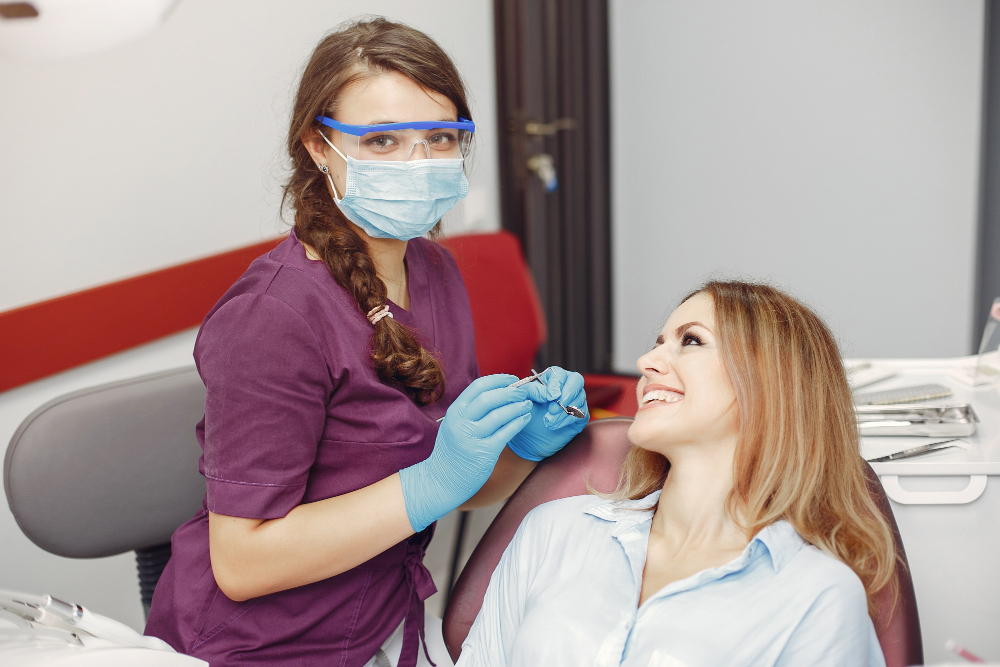
Pregnancy is an exciting journey filled with many changes, and taking care of your health becomes more important than ever. While most expectant mothers focus on nutrition, prenatal vitamins, and regular medical checkups, oral health is sometimes overlooked. However, maintaining healthy teeth and gums is an essential part of overall well-being during pregnancy.
One common question many expectant mothers ask is: Is dental treatment safe during pregnancy? The good news is that most routine and necessary dental procedures can be performed safely during pregnancy when appropriate precautions are taken. In fact, delaying necessary dental care may lead to more serious oral health problems.
In this complete guide, we will explore dental treatment during pregnancy, discuss safe dental procedures during pregnancy, and explain how to protect your oral health throughout each trimester.
Why Is Dental Health Important During Pregnancy?
Pregnancy causes hormonal changes that can affect the gums and increase the risk of certain oral health problems. Increased blood flow and changes in hormone levels may make the gums more sensitive, swollen, or likely to bleed during brushing and flossing.
Some common dental problems during pregnancy include:
- Pregnancy gingivitis: Inflamed, swollen, or bleeding gums caused by an increased inflammatory response to plaque.
- Tooth decay: Changes in eating habits, frequent snacking, vomiting, and acid exposure can increase the risk of cavities.
- Enamel erosion: Frequent vomiting associated with morning sickness can expose teeth to stomach acid, gradually weakening the enamel.
- Pregnancy-related gum growths: Some women develop localized, noncancerous gum growths known as pregnancy tumors, which may require professional evaluation.
Maintaining good oral hygiene and visiting your dentist regularly can help prevent these problems. Good oral health also helps reduce the risk of complications caused by untreated dental infections.
Is Dental Treatment Safe During Pregnancy?
Yes, dental treatment during pregnancy is generally safe, and professional dental care is important for both maternal health and comfort. Preventive, diagnostic, and necessary restorative dental procedures can usually be performed throughout pregnancy.
According to established dental and obstetric guidance, treatments such as dental cleanings, fillings, and root canal therapy should not automatically be postponed simply because a patient is pregnant.
However, the safest approach depends on the type of treatment, the stage of pregnancy, your medical history, and any medications required.
Before starting treatment, always inform your dentist that you are pregnant, how many weeks pregnant you are, and whether your pregnancy involves any medical complications. Your dentist can coordinate with your obstetrician when necessary.
Safe Dental Procedures During Pregnancy
Understanding which procedures are appropriate during pregnancy can help you make informed decisions about your oral health.
1. Professional Dental Cleaning
Professional dental cleaning is one of the most beneficial preventive treatments during pregnancy. It removes plaque and tartar that regular brushing cannot eliminate and helps reduce gum inflammation.
Because hormonal changes can make the gums more sensitive, some pregnant women may experience bleeding or discomfort during cleaning. This is common and does not necessarily indicate a serious problem.
Regular dental cleanings, combined with proper home care, can help prevent pregnancy-related gingivitis and maintain healthier gums.
2. Dental Fillings
Dental fillings are generally considered safe during pregnancy when needed to treat cavities. Leaving tooth decay untreated may allow it to progress, potentially causing pain, infection, or more extensive damage.
If you need a filling, your dentist can select an appropriate restorative material based on your individual needs.
For fillings involving dental amalgam, additional considerations may apply. The U.S. Food and Drug Administration recommends that certain higher-risk groups, including pregnant women, avoid new amalgam fillings when possible and appropriate alternatives are available. Your dentist can discuss suitable materials and the benefits and risks of each option.
3. Root Canal Treatment
Root canal treatment may be necessary when the inner tissue of a tooth becomes inflamed or infected. This procedure can relieve pain and help preserve the natural tooth.
Root canal treatment is generally considered appropriate during pregnancy when clinically indicated. Delaying treatment for an infected tooth may increase discomfort and allow the infection to worsen.
Your dentist will evaluate the tooth, explain the procedure, and take appropriate precautions to keep you comfortable and safe.
4. Tooth Extractions
Tooth extraction may be necessary if a tooth is severely damaged, infected, or cannot be restored. Necessary extractions can generally be performed during pregnancy with appropriate planning.
If the extraction is not urgent, your dentist may consider the timing and your overall health before scheduling the procedure. However, an infected tooth or severe dental pain should not be ignored simply because you are pregnant.
5. Dental X-Rays
Dental X-rays may be necessary to diagnose cavities, infections, or other dental problems that cannot be identified through a clinical examination alone.
When clinically justified, dental X-rays can be taken during pregnancy using appropriate radiation-minimization measures and modern equipment. The radiation exposure from a properly performed dental X-ray is very low.
Your dentist will only recommend imaging when the expected diagnostic benefit justifies it and will follow current radiation-safety guidance.
6. Local Anesthesia
Local anesthesia is commonly used during dental procedures to prevent pain. Certain local anesthetics, including lidocaine, can generally be used during pregnancy when clinically appropriate.
Your dentist will choose the medication and dosage based on your condition, the planned procedure, and your medical history.
Never attempt to manage significant dental pain by taking medication without checking whether it is appropriate during pregnancy.
Dental Treatments That May Need to Be Postponed
Although many procedures are safe during pregnancy, some treatments may be better postponed until after delivery if they are elective and do not address an immediate health concern.
Examples include:
- Elective teeth whitening: Whitening is usually postponed because there is limited pregnancy-specific safety evidence and it is not medically necessary.
- Cosmetic dental procedures: Nonurgent cosmetic treatments can often wait until after childbirth.
- Complex elective dental surgery: Procedures that are not urgent may be scheduled for a more suitable time based on your health and treatment needs.
The important distinction is between elective treatment and necessary care. If you have severe tooth pain, swelling, bleeding, or signs of infection, contact your dentist promptly rather than postponing treatment on your own.
Dental Treatment During Each Trimester
The stage of pregnancy can influence how dental care is planned. However, urgent or necessary treatment should not be delayed solely because of the trimester.
First Trimester
The first trimester covers weeks 1 through 12. During this period, many pregnant women experience nausea, vomiting, and fatigue.
Preventive care and necessary dental treatment can be provided when indicated. For nonurgent procedures, your dentist may consider your comfort, symptoms, and individual medical circumstances when deciding on timing.
If morning sickness is frequent, rinse your mouth with water after vomiting. Avoid brushing immediately afterward because the enamel may temporarily be softened by stomach acid.
Second Trimester
The second trimester covers weeks 13 through 27. Many women find this period more comfortable because nausea may decrease and energy levels may improve.
Routine dental cleanings, fillings, and other necessary treatments can generally be scheduled during this trimester. It may be a convenient time to address dental concerns that do not require emergency care.
Even so, the second trimester is not the only time dental treatment is safe. Your dentist will consider your individual needs rather than relying on timing alone.
Third Trimester
The third trimester begins at week 28 and continues until delivery. Dental treatment can still be provided when necessary, but lying flat in the dental chair for an extended period may become uncomfortable.
Your dentist may adjust your position, use shorter appointments, or allow breaks to improve comfort. If you experience dizziness, nausea, or shortness of breath while reclining, tell your dental team immediately.
Elective procedures may be postponed until after delivery when appropriate, but necessary treatment should still be assessed promptly.
Is Dental Anesthesia Safe During Pregnancy?
One of the most common concerns about pregnancy dental safety involves anesthesia.
Local anesthesia is generally considered safe for appropriate dental procedures during pregnancy. Lidocaine, with or without a suitable vasoconstrictor such as epinephrine, may be used when clinically indicated and administered correctly.
The choice of anesthetic depends on several factors, including:
- Your stage of pregnancy.
- Your medical history and any pregnancy-related complications.
- The type and duration of the dental procedure.
- The medication and dosage required.
General anesthesia and sedation require a more individualized assessment. If a procedure would require sedation or general anesthesia, your dentist may consult your obstetrician and the appropriate anesthesia team.
Always provide a complete list of medications and supplements you are taking before treatment.
Which Dental Medications Should Be Avoided During Pregnancy?
Medication safety is an important part of prenatal dental treatment. Some medicines commonly used in dentistry may be appropriate during pregnancy, while others require additional caution or should be avoided.
- Pain relievers: Acetaminophen (paracetamol) is commonly used during pregnancy when needed, but you should confirm the appropriate dose and duration with your healthcare professional. Nonsteroidal anti-inflammatory drugs (NSAIDs), such as ibuprofen, have important pregnancy-related restrictions, particularly from 20 weeks onward, and should not be used unless specifically advised by a clinician.
- Antibiotics: Certain antibiotics, such as penicillins and some cephalosporins, are commonly used during pregnancy when indicated. The appropriate choice depends on the infection, allergies, and medical history.
- Sedatives: Some sedative medications may carry pregnancy-related risks and require specialist assessment.
- Other prescription medications: Your dentist and obstetrician should review any medication that may be needed before, during, or after treatment.
Never stop a prescribed medication or start a new one without professional guidance. Untreated dental infections can also pose risks, so the goal is to choose an appropriate treatment rather than avoid all medications.
How to Maintain Good Oral Health During Pregnancy
Taking care of your teeth at home is just as important as visiting your dentist. The following habits can help protect your teeth and gums throughout pregnancy.
Brush and Floss Daily
Brush your teeth twice a day with fluoride toothpaste and a soft-bristled toothbrush. Clean between your teeth daily using dental floss or another suitable interdental cleaner.
If your gums bleed easily, continue gentle cleaning and arrange a dental evaluation rather than stopping your oral hygiene routine.
Manage Morning Sickness
Stomach acid can weaken tooth enamel after vomiting. Rinse your mouth with plain water or a baking soda rinse made with one teaspoon of baking soda dissolved in one cup of water. Avoid swallowing the rinse.
Wait approximately 30 to 60 minutes before brushing your teeth to reduce the risk of damaging softened enamel.
Choose a Balanced Diet
A balanced diet supports your general health and helps maintain healthy teeth and gums. Include a variety of nutritious foods, such as vegetables, fruits, whole grains, dairy products or suitable alternatives, and protein-rich foods.
Try to limit frequent sugary snacks and drinks, which can increase the risk of tooth decay.
Schedule Regular Dental Visits
Do not wait until you experience severe pain before visiting your dentist. Routine examinations can identify dental problems early and help you receive treatment before they become more complicated.
Tell your dental team about your pregnancy at every relevant appointment so they can tailor your care appropriately.
When Should You See a Dentist Immediately?
Some dental symptoms require prompt professional attention, even during pregnancy.
Contact your dentist as soon as possible if you experience:
- Severe or persistent toothache.
- Facial or gum swelling.
- Pus or other signs of a dental infection.
- A broken tooth causing pain.
- Bleeding gums that are persistent or unusually heavy.
- Fever accompanied by dental pain or swelling.
Seek emergency medical care immediately if you have difficulty breathing or swallowing, rapidly spreading facial or neck swelling, or other signs of a potentially serious infection.
Early assessment can help prevent complications and determine which treatment is appropriate for your pregnancy.
Frequently Asked Questions About Dental Treatment During Pregnancy
Can I visit the dentist while pregnant?
Yes. Routine dental checkups, professional cleanings, and necessary treatments are generally safe during pregnancy. Inform your dentist about your pregnancy so your care can be planned appropriately.
Is it safe to get a filling while pregnant?
Yes. Necessary dental fillings can generally be performed during pregnancy. Treating a cavity early can help prevent pain, infection, and more extensive dental problems.
Can I have a tooth removed while pregnant?
A necessary tooth extraction can generally be performed during pregnancy. Your dentist will assess the urgency of the procedure, your medical history, and the most appropriate treatment plan.
Are dental X-rays dangerous during pregnancy?
Clinically necessary dental X-rays can be performed during pregnancy with appropriate radiation-safety measures. Your dentist will determine whether imaging is needed to diagnose or treat your dental condition.
Is teeth whitening safe during pregnancy?
Because teeth whitening is elective and pregnancy-specific safety evidence is limited, it is generally best to postpone whitening until after pregnancy.
Should I wait until after delivery to treat a cavity?
Not necessarily. Necessary dental treatment can generally be provided during pregnancy. Waiting may allow a cavity to worsen, so consult your dentist to determine the best approach.
Can pregnancy cause bleeding gums?
Yes. Hormonal changes can increase the gums' response to plaque, making them swollen, tender, or more likely to bleed. Good oral hygiene and professional dental care can help manage these symptoms.
Final Thoughts: Prioritize Your Dental Health During Pregnancy
So, is dental treatment safe during pregnancy? In most cases, yes — preventive care and necessary dental procedures can be performed safely when appropriate precautions are taken.
From professional cleanings and fillings to root canal treatment and necessary extractions, many dental procedures can help protect your oral health throughout pregnancy. The key is to communicate openly with your dentist, follow individualized medical advice, and avoid delaying treatment for pain or infection.
Remember that pregnancy is not a reason to neglect your teeth. By maintaining a consistent oral hygiene routine, eating a balanced diet, and attending regular dental appointments, you can support your dental health while taking care of yourself and your developing baby.
If you are pregnant and experiencing dental discomfort, schedule an appointment with your dentist to discuss the safest and most appropriate treatment options for your needs.
Are you ready to modernize your clinic?
Join over 500 international clinics that use Medvouch to make their patient cycle more efficient.