
How to Teach Kids to Brush Their Teeth the Right Way
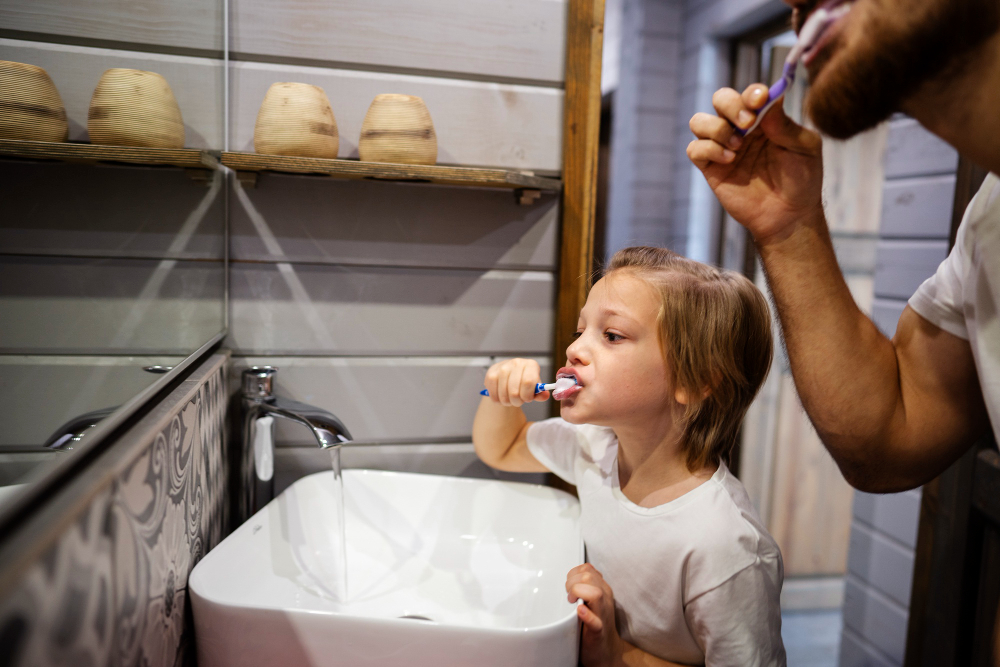
Teaching children how to brush their teeth is one of the most important steps parents can take to support lifelong oral health. Good brushing habits not only help prevent cavities but also teach children to take responsibility for their personal hygiene from an early age.
However, getting young children to brush their teeth properly can sometimes feel like a daily battle. With the right approach, parents can turn tooth brushing into a simple, positive, and consistent part of the daily routine.
In this guide, we’ll explain how to teach kids to brush teeth, how to build strong dental habits, and what parents should know about children's oral hygiene, fluoride for kids, and regular pediatric dentistry visits.
Why Children's Oral Hygiene Matters
Children’s baby teeth play an important role in eating, speaking, and guiding permanent teeth into the correct position. Even though baby teeth eventually fall out, they still need proper care.
Poor oral hygiene can allow plaque and bacteria to build up, increasing the risk of cavities and gum problems. Tooth pain can also affect a child’s sleep, eating habits, concentration, and overall well-being.
That’s why establishing good children's oral hygiene habits early can make dental care feel normal rather than something to worry about.
When Should Kids Start Brushing Their Teeth?
Parents should begin cleaning their baby's mouth even before the first tooth appears. Once the first tooth comes in, it should be cleaned twice a day using an age-appropriate toothbrush and fluoride toothpaste.
As children grow, they can gradually become more involved in brushing. However, young children often do not have the coordination needed to clean every surface effectively.
A helpful rule is to let children try brushing first and then have a parent finish the job.
How to Teach Kids to Brush Teeth Step by Step
Knowing how to teach kids to brush teeth can make the process much easier. Instead of simply telling your child to brush, show them exactly what to do.
1. Choose the Right Toothbrush
Start with a soft-bristled toothbrush designed for your child's age. A small brush head can make it easier to reach the back teeth and other difficult areas.
Allowing your child to choose a toothbrush with a favorite color or character can also make brushing more exciting.
2. Use the Right Amount of Fluoride Toothpaste
Fluoride for kids is an important part of cavity prevention. Fluoride helps strengthen tooth enamel and makes teeth more resistant to acid produced by harmful bacteria.
For young children, parents should use the amount of fluoride toothpaste recommended by their dentist or local dental guidelines. As children get older and learn to spit reliably, the amount can gradually increase according to professional recommendations.
If you are unsure about the appropriate toothpaste or fluoride level for your child, ask a pediatric dentist for personalized advice.
3. Demonstrate the Technique
Children learn by watching adults. Brush your own teeth alongside your child and demonstrate gentle, circular movements.
Encourage your child to brush:
- The outside surfaces of the teeth
- The inside surfaces
- The chewing surfaces
- Along the gumline
- The tongue, gently
Remind them that brushing is not about scrubbing as hard as possible. Gentle, thorough brushing is more important than applying excessive pressure.
4. Make Sure They Brush for Long Enough
Many children rush through brushing because they want to get back to playing.
Try using a two-minute timer, a favorite song, or a child-friendly brushing app to make the recommended brushing time easier to understand.
You can also create a simple routine such as:
Brush → Rinse or spit as recommended → Put the toothbrush away → Start the day or get ready for bed.
The more predictable the routine becomes, the easier it is for children to follow.
Should Parents Brush Their Child's Teeth?
Yes. Young children usually need help brushing their teeth because they are still developing the manual skills needed for effective brushing.
Even if your child insists on brushing independently, parents should check their teeth and help complete the brushing when necessary.
As children become more coordinated, parents can gradually give them more responsibility. Regular dental checkups can also help determine when a child is ready to brush independently.
Turn Tooth Brushing Into a Positive Experience
One of the best ways to build strong dental habits is to avoid making brushing feel like a punishment.
Instead, try to keep the experience positive and predictable.
You can:
- Brush your teeth together as a family.
- Let your child choose between two toothbrushes.
- Use a fun two-minute song.
- Create a simple brushing chart.
- Give praise for consistent effort.
- Read children's books about visiting the dentist.
- Avoid using dental visits or brushing as a threat or punishment.
Small rewards and encouragement can be useful, but the long-term goal should be to help your child understand that taking care of their teeth is a normal part of everyday life.
Common Tooth-Brushing Mistakes Parents Should Avoid
Even when parents are doing their best, a few common mistakes can make children's oral hygiene less effective.
Letting Children Brush Completely Alone Too Early
Independence is important, but young children may miss areas of their mouths. Parents should continue supervising and assisting until the child has developed the necessary skills.
Using Too Much Toothpaste
More toothpaste does not necessarily mean cleaner teeth. Follow age-appropriate recommendations from your child's dentist or trusted dental health guidelines.
Brushing Too Hard
Aggressive brushing can irritate the gums. Teach your child to use gentle movements rather than scrubbing forcefully.
Skipping Nighttime Brushing
Brushing at night is particularly important because food particles and plaque can remain on the teeth for hours while a child sleeps.
Try to make nighttime brushing a non-negotiable part of the bedtime routine.
The Role of Pediatric Dentistry
Good home care is essential, but it is only one part of maintaining a child's oral health.
Regular pediatric dentistry appointments allow dental professionals to monitor the development of the teeth and gums, identify potential problems early, and provide parents with personalized advice.
A pediatric dentist can also help children become comfortable with dental visits. Early positive experiences can make future appointments less stressful and encourage children to continue caring for their teeth as they grow.
How to Build Lifelong Dental Habits
The habits children develop early can influence their oral health for many years. Parents can support these habits by keeping the routine simple and consistent.
A successful daily routine might include:
Morning: Brush teeth after breakfast or according to your dentist's recommendations.
During the day: Encourage healthy snacks and limit frequent exposure to sugary foods and drinks.
Evening: Brush thoroughly before bedtime and make dental care part of the regular nighttime routine.
Regularly: Visit a dental professional for preventive care and personalized guidance.
The goal is not to make every brushing session perfect. The goal is to create a routine that children can maintain consistently.
Are you ready to modernize your clinic?
Join over 500 international clinics that use Medvouch to make their patient cycle more efficient.