
How to Floss Properly: The Right Technique for Healthy Gums
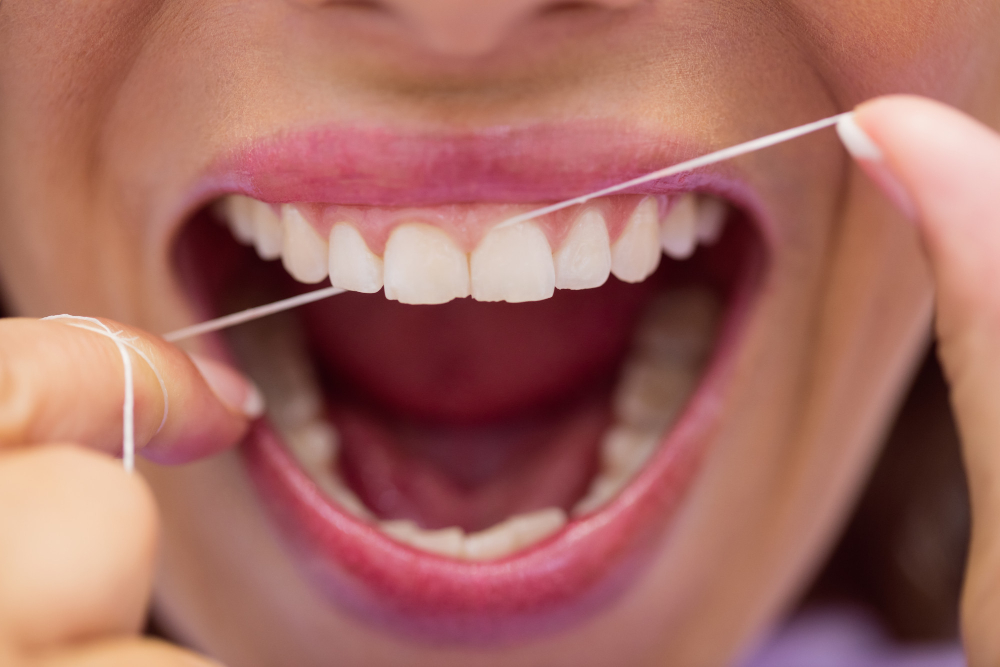
Maintaining a healthy smile goes beyond brushing your teeth twice a day. One of the most important yet often overlooked steps in oral hygiene is flossing. Learning how to floss properly can help remove plaque, food particles, and bacteria from areas your toothbrush simply cannot reach. By using the correct flossing technique, you can protect your teeth, improve your gum health, and reduce the risk of cavities and gum disease.
In this guide, you'll learn why flossing matters, how to do it correctly, and how interdental cleaning can become an essential part of your daily oral care routine.
Why Flossing Is Essential
Even the best toothbrush cannot effectively clean the tight spaces between your teeth. These areas become ideal places for plaque and food debris to accumulate. Without regular flossing, plaque can harden into tartar, leading to inflammation, bad breath, cavities, and gum disease.
Daily flossing helps:
- Remove plaque between teeth
- Prevent tooth decay
- Reduce bad breath
- Lower the risk of gingivitis
- Support long-term gum health
- Keep your smile cleaner and brighter
Consistent interdental cleaning is one of the most effective ways to maintain excellent oral hygiene.
How to Floss Properly
If you're wondering how to floss properly, follow these simple steps for the best results.
Step 1: Use the Right Amount of Floss
Take approximately 18 inches (45 cm) of dental floss. Wrap most of it around one middle finger and the remaining floss around the opposite middle finger, leaving about 2 inches to work with.
Step 2: Hold the Floss Correctly
Grip the floss firmly between your thumbs and index fingers, allowing you to guide it gently between each tooth.
Step 3: Slide the Floss Gently
Carefully move the floss between your teeth using a gentle back-and-forth motion. Avoid snapping it into your gums, as this may cause irritation or bleeding.
Step 4: Form a "C" Shape
Once the floss reaches the gumline, curve it around one tooth into a "C" shape. Slide it gently beneath the gumline and move it up and down several times.
Step 5: Clean Both Sides
Repeat the process on the adjacent tooth before moving to the next space.
Step 6: Use a Fresh Section
Advance to a clean portion of floss for each tooth to avoid transferring bacteria.
Practicing this flossing technique every day helps remove plaque effectively while minimizing gum irritation.
Common Flossing Mistakes
Many people floss regularly but still fail to clean effectively due to poor technique. Here are some common mistakes to avoid:
- Flossing too aggressively
- Snapping the floss into the gums
- Skipping the back teeth
- Using the same section of floss repeatedly
- Flossing too quickly
- Only flossing before dental appointments
Proper interdental cleaning requires patience and consistency.
Choosing the Right Floss
There are several types of floss available, and the best choice depends on your individual needs.
Waxed Floss
Slides more easily between tightly spaced teeth and is less likely to shred.
Unwaxed Floss
Offers a thinner option for narrow spaces and may provide a slightly better grip.
Dental Tape
Wider and flatter than traditional floss, making it comfortable for people with larger gaps.
Floss Picks
Convenient for travel and quick use, although they may not clean as effectively as traditional floss when used incorrectly.
Water Flossers
Water flossers are excellent for people with braces, dental implants, or limited hand dexterity. While they are helpful, many dentists recommend combining them with traditional floss for optimal interdental cleaning.
How Often Should You Floss?
Dental professionals recommend flossing at least once every day. The exact time is less important than making it a consistent habit.
Many people prefer flossing before bedtime to remove food particles and plaque that have accumulated throughout the day.
Does Flossing Make Your Gums Bleed?
If your gums bleed when you first begin flossing, it often indicates inflammation caused by plaque buildup rather than damage from flossing itself.
With proper flossing technique and regular oral hygiene, mild bleeding usually improves within one to two weeks.
However, if bleeding continues, consult your dentist to rule out underlying gum disease or other oral health issues.
Additional Gum Health Tips
Flossing works best when combined with other healthy habits. These gum health tips can help keep your mouth healthy:
- Brush twice daily with fluoride toothpaste.
- Replace your toothbrush every three to four months.
- Use an antibacterial mouthwash if recommended by your dentist.
- Limit sugary foods and beverages.
- Drink plenty of water throughout the day.
- Eat a balanced diet rich in vitamins and minerals.
- Avoid smoking and tobacco products.
- Visit your dentist regularly for professional cleanings and examinations.
Following these gum health tips can significantly reduce your risk of periodontal disease and improve your overall oral health.
Benefits of Proper Interdental Cleaning
Daily interdental cleaning provides benefits that extend beyond your mouth.
These include:
- Healthier gums
- Lower risk of tooth loss
- Fresher breath
- Reduced plaque buildup
- Better overall oral hygiene
- Improved confidence in your smile
Research also suggests that maintaining healthy gums may contribute to better overall health by reducing chronic inflammation.
Frequently Asked Questions
Is brushing enough without flossing?
No. Brushing cleans the surfaces of your teeth, but it cannot effectively remove plaque between them. Flossing completes your daily oral hygiene routine.
Should I floss before or after brushing?
Either order is acceptable, although some studies suggest flossing first may help fluoride from toothpaste reach between the teeth more effectively.
Can children floss?
Yes. Children should begin flossing as soon as two teeth touch. Parents should assist until children develop the coordination to floss independently.
What if I have braces?
People with braces should use floss threaders, orthodontic floss, or water flossers to make interdental cleaning easier and more effective.
Are you ready to modernize your clinic?
Join over 500 international clinics that use Medvouch to make their patient cycle more efficient.