
How Often Should You Go to the Dentist?
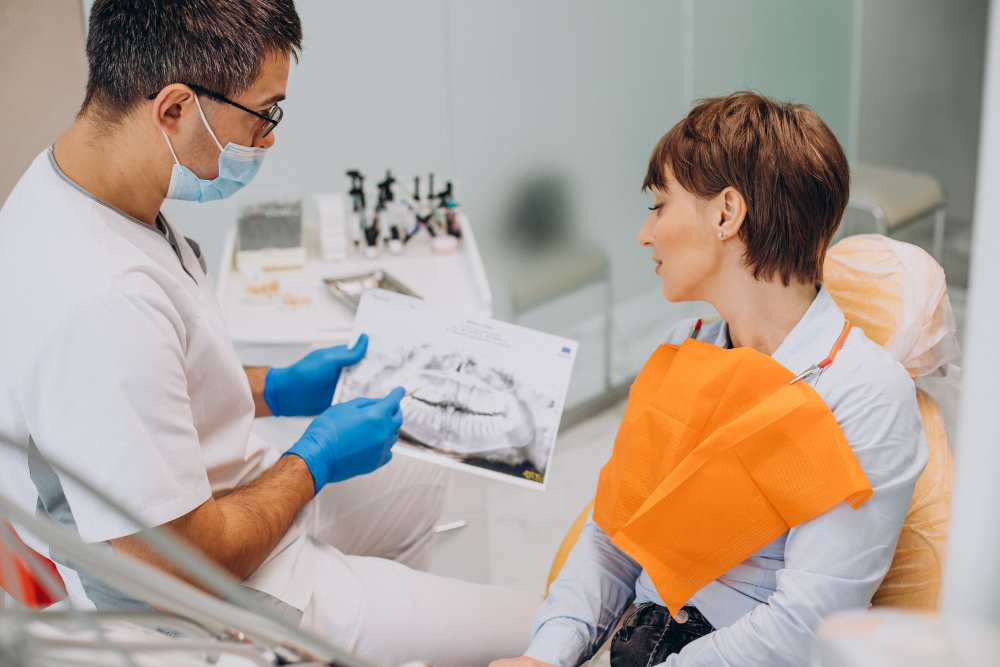
Regular dental visits are an important part of maintaining a healthy smile and preventing potential oral health problems. But how often should you go to the dentist? While the answer can vary depending on your individual oral health, most people benefit from having a dental checkup at regular intervals.
A routine dental appointment is not only about treating existing problems. It is also an essential part of preventive dentistry, helping your dentist identify potential issues before they become more serious.
How Often Should You Go to the Dentist?
For many people, visiting the dentist every six months is a good general guideline. However, there is no one-size-fits-all schedule for everyone.
Your dentist may recommend more frequent appointments if you have:
- A history of cavities or gum disease
- Poor oral hygiene
- Dental implants, crowns, or other restorations
- Orthodontic appliances
- A higher risk of developing oral health problems
- Certain medical conditions or medications that affect oral health
On the other hand, people with excellent oral health and a low risk of dental problems may not need to visit quite as frequently. Your dentist can recommend a dental checkup frequency based on your specific needs.
What Happens During a Dental Checkup?
A routine dental appointment generally includes a comprehensive oral exam. During this examination, your dentist looks for signs of cavities, gum disease, worn or damaged teeth, and other oral health concerns.
Depending on your needs, your appointment may also include professional teeth cleaning. Dental X-rays may be recommended when your dentist needs a closer look at areas that cannot be examined during a visual examination.
These regular assessments allow dental professionals to monitor changes in your oral health over time.
Why Is Preventive Dentistry Important?
Preventive dentistry focuses on avoiding dental problems rather than waiting until they cause pain or discomfort.
Regular dental visits can help you maintain good oral hygiene and reduce the risk of developing conditions such as tooth decay and gum disease. Professional cleanings can also remove plaque and tartar that may be difficult to eliminate with regular brushing and flossing alone.
Perhaps most importantly, routine appointments support early detection. Identifying a small cavity or early signs of gum disease can make treatment simpler and less invasive than waiting until the condition becomes advanced.
The Importance of Early Detection
Many dental problems do not cause noticeable symptoms in their early stages. You may have a developing cavity or gum problem without experiencing significant pain.
This is why waiting until something hurts is not always the best approach.
Regular oral exam appointments give your dentist an opportunity to identify potential problems before they become more complicated. Early detection can help protect your natural teeth, support healthier gums, and potentially reduce the need for extensive treatment.
Should Children Visit the Dentist More Often?
Children also need regular dental care. Their teeth and jaws are developing, so monitoring their oral health is particularly important.
Regular visits allow dentists to check for cavities, evaluate tooth development, and provide guidance on brushing, flossing, diet, and other habits. Depending on the child's oral health and risk factors, the recommended dental checkup frequency may vary.
Establishing regular dental visits from an early age can also help children become comfortable with dental care and understand the importance of maintaining good oral hygiene.
What Can You Do Between Dental Visits?
Visiting the dentist regularly is only one part of maintaining a healthy mouth. Your daily habits also play a major role.
Between appointments, you should:
- Brush your teeth twice a day with fluoride toothpaste.
- Clean between your teeth regularly with floss or another interdental cleaning method.
- Limit frequent consumption of sugary foods and drinks.
- Avoid tobacco products.
- Pay attention to changes in your teeth, gums, or mouth.
- Contact your dentist if you experience persistent pain, swelling, bleeding, or sensitivity.
Good daily habits combined with professional dental care form the foundation of effective preventive dentistry.
When Should You See a Dentist Sooner?
You should not necessarily wait for your next routine appointment if you notice a new or unusual problem.
Contact your dentist if you experience symptoms such as persistent toothache, swollen or bleeding gums, sensitivity that does not improve, a broken tooth, or a sore in your mouth that does not heal.
These symptoms may require an earlier oral exam. Prompt evaluation can support early detection and appropriate treatment.
So, How Often Should You Go to the Dentist?
The ideal schedule depends on your oral health, medical history, age, lifestyle, and individual risk factors. For many people, dental visits every six months are a useful starting point, but some patients may need appointments more or less frequently.
Rather than following a fixed schedule without considering your personal needs, talk to your dentist about the right dental checkup frequency for you.
Ultimately, regular dental visits are an important part of preventive dentistry. Combining routine checkups, professional cleanings, good oral hygiene, and early detection can help you maintain a healthier smile for years to come.
If you have been wondering how often should you go to the dentist, the best answer is simple: follow a schedule recommended by your dental professional based on your individual oral health needs.
Are you ready to modernize your clinic?
Join over 500 international clinics that use Medvouch to make their patient cycle more efficient.