Electric vs Manual Toothbrush: Which Is Better?
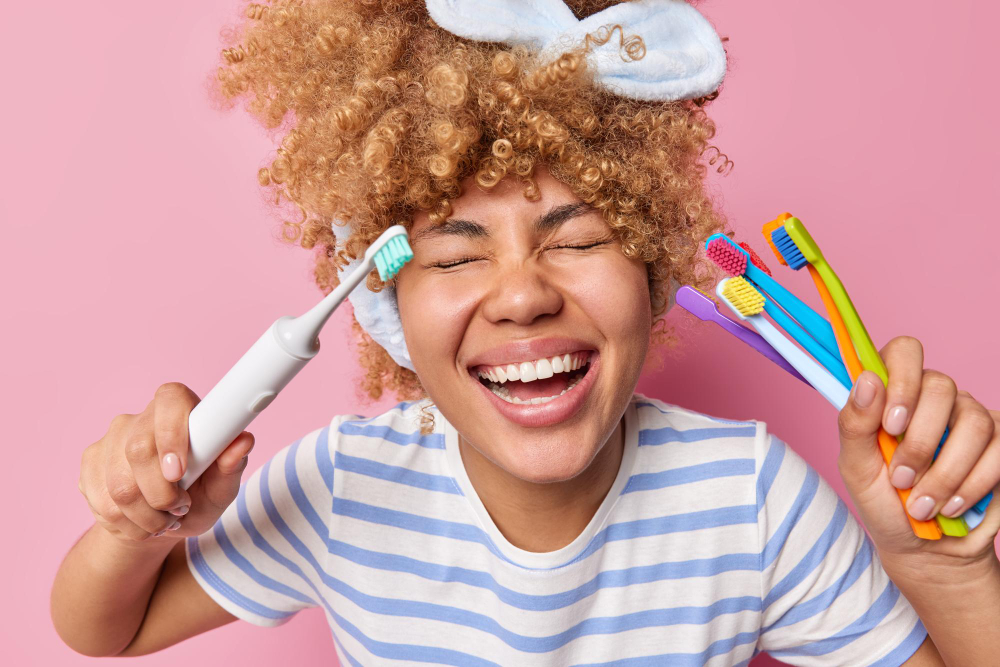
Choosing the right toothbrush is an important part of maintaining good oral hygiene. With so many oral hygiene tools available today, it can be difficult to decide whether a traditional manual toothbrush or an electric toothbrush is the better option.
Both types can help keep your teeth and gums clean when used correctly. However, differences in brushing technique, convenience, and plaque removal may make one option more suitable for certain people. In this guide, we will compare an electric vs manual toothbrush and explore the main electric toothbrush benefits to help you make an informed choice.
Electric vs Manual Toothbrush: What Is the Difference?
A manual toothbrush relies entirely on your hand to control the brushing movement. It is simple, affordable, portable, and widely available. With the correct technique and consistent brushing, a manual toothbrush can effectively clean your teeth.
An electric toothbrush, on the other hand, uses a powered motor to move the brush head automatically. Depending on the model, it may use oscillating, rotating, or sonic technology. Many modern electric toothbrushes also include features such as built-in timers, pressure sensors, and different brushing modes.
The biggest difference is that an electric toothbrush provides automated brushing movements, while a manual toothbrush requires you to create those movements yourself.
Electric Toothbrush Benefits
One of the main reasons people choose an electric toothbrush is its potential to make brushing easier and more consistent.
Here are some of the key electric toothbrush benefits:
1. Effective Plaque Removal
Plaque is a sticky layer of bacteria that can build up on teeth and along the gumline. Regular and thorough brushing is essential for removing it.
Research suggests that powered toothbrushes can provide a modest advantage in plaque removal and reducing gingivitis compared with manual toothbrushes. However, the effectiveness of either toothbrush still depends heavily on how regularly and correctly you brush.
2. Helpful for People With Limited Mobility
An electric toothbrush can be particularly useful for people who have difficulty making precise brushing movements. Individuals with arthritis, limited hand mobility, or certain physical conditions may find a powered toothbrush easier to handle.
Because the brush head performs the cleaning movements automatically, users may not need to apply as much manual movement.
3. Built-In Timers
Many electric toothbrushes include a two-minute timer. Some models divide brushing into intervals, encouraging users to spend enough time on each area of the mouth.
This can be helpful for people who tend to brush too quickly.
4. Pressure Sensors
Some advanced electric toothbrushes can detect when you are brushing too hard. Excessive pressure can irritate the gums and contribute to tooth wear over time.
A pressure sensor can therefore encourage a gentler brushing technique.
Advantages of a Manual Toothbrush
While electric toothbrushes offer several useful features, manual toothbrushes remain a reliable choice for everyday oral care.
Affordable and Accessible
Manual toothbrushes are generally inexpensive and easy to find. You do not need batteries, a charger, or additional electronic features to use one.
Easy to Travel With
A manual toothbrush is lightweight and convenient for travel. It can be especially practical when you are staying somewhere without easy access to electricity.
Full Control Over Brushing
Some people prefer the simplicity of a manual toothbrush because they have complete control over the speed, pressure, and movement of the brush.
When used with proper technique, a manual toothbrush can still provide excellent cleaning.
Is an Electric Toothbrush Better for Plaque Removal?
When comparing an electric vs manual toothbrush, plaque removal is one of the most important factors to consider.
Powered toothbrushes have been shown in studies to offer a small overall advantage in reducing plaque and gingivitis compared with manual toothbrushes. However, this does not mean that every electric toothbrush will automatically produce better results.
Brushing for approximately two minutes twice a day, using fluoride toothpaste, reaching all tooth surfaces, and cleaning along the gumline are all important aspects of good oral hygiene.
In other words, the best toothbrush is one that you will use consistently and correctly.
Which Toothbrush Should You Choose?
The right choice depends on your individual needs and preferences.
An electric toothbrush may be a good option if:
- You want additional features such as timers or pressure sensors.
- You have difficulty maintaining a consistent brushing technique.
- You want to make brushing easier or more convenient.
- You are particularly focused on improving plaque removal.
- You simply prefer the experience of powered brushing.
A manual toothbrush may be a better choice if:
- You prefer a simple and affordable option.
- You travel frequently.
- You do not want to worry about charging or batteries.
- You are comfortable using the correct brushing technique.
- You want a basic but effective oral hygiene tool.
Other Oral Hygiene Tools Matter Too
A toothbrush is only one part of a complete oral care routine. Even the most advanced dental technology cannot replace good daily habits.
Floss or interdental brushes can help clean areas between the teeth that a toothbrush may not reach effectively. Mouthwash may also be useful in certain situations, depending on your individual oral health needs.
Regular dental checkups are equally important. A dentist can identify problems early and provide personalized recommendations about brushing, flossing, and other oral hygiene tools.
The Role of Dental Technology
Modern dental technology has introduced a variety of features designed to improve everyday brushing. Smart electric toothbrushes may connect to mobile apps, provide brushing feedback, track brushing habits, and identify areas that may be receiving less attention.
While these features can be useful, they are not essential for everyone. Technology should support good oral hygiene habits rather than replace them.
Are you ready to modernize your clinic?
Join over 500 international clinics that use Medvouch to make their patient cycle more efficient.