
Dentures Guide: Everything Beginners Need to Know
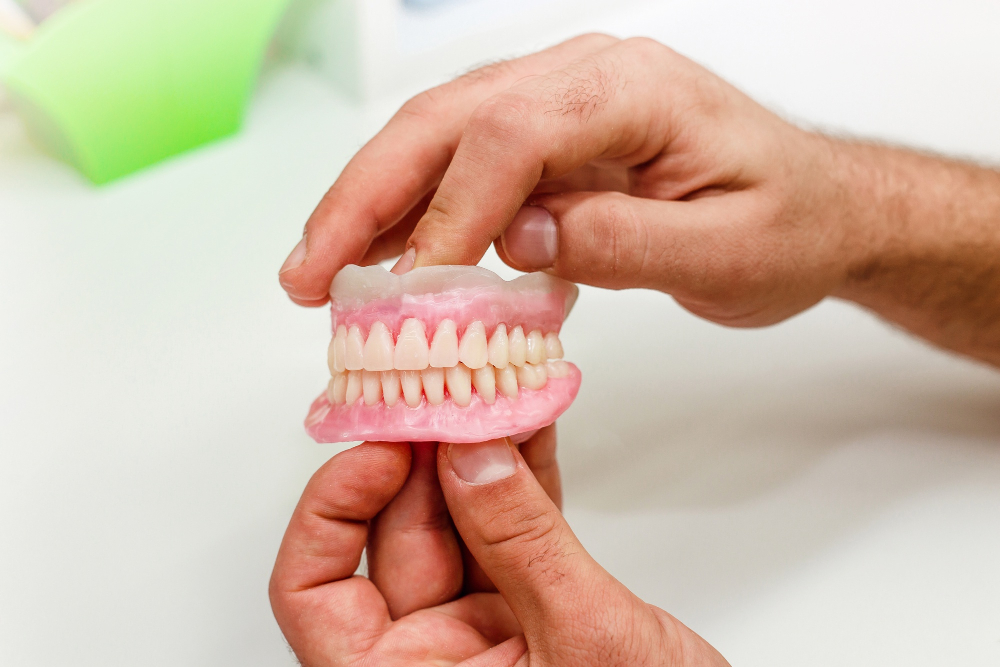
Losing teeth can affect more than just your smile. It can also make everyday activities such as eating, speaking, and feeling confident in social situations more challenging. Fortunately, modern dentures offer a practical and effective solution for replacing missing teeth and restoring your smile. Whether you have recently lost teeth or are exploring tooth replacement options, understanding how dentures work can help you make an informed decision.
In this dentures guide, we will cover the different types of dentures, their benefits, how to care for them, and what beginners should know about denture adhesives and everyday maintenance.
What Are Dentures?
Dentures are removable dental appliances designed to replace missing teeth and the surrounding tissues. They are custom-made to fit your mouth and help restore essential functions such as chewing and speaking while improving the appearance of your smile.
Dentures are generally made from materials such as acrylic resin, sometimes combined with metal or other materials for additional support and durability. A dentist creates or arranges for the fabrication of dentures based on your oral condition, the number of missing teeth, and your individual needs.
For people looking for an affordable and accessible tooth replacement option, dentures can be an effective choice. They can also help support facial appearance by filling out areas that may look sunken after tooth loss.
Types of Dentures: Which Option Is Right for You?
Not all dentures are the same. The best option depends on how many teeth are missing, the condition of your remaining teeth, your oral health, and your personal preferences.
1. Complete Dentures
Complete dentures, also called full dentures, replace all the teeth in the upper jaw, lower jaw, or both. They rest on the gums and are designed to restore the appearance and function of a full set of teeth.
Complete dentures may be suitable for people who have lost all their natural teeth. Depending on your situation, your dentist may recommend immediate dentures, which are placed soon after tooth extraction, or conventional dentures, which are fitted after the gums have had time to heal.
2. Partial Dentures
Partial dentures are designed for people who still have some natural teeth remaining. These appliances fill the gaps created by missing teeth and may help prevent neighboring teeth from shifting into those spaces.
Partial dentures can be made from acrylic or a combination of metal and acrylic, depending on the design. Some use clasps to attach to existing teeth, while others have more discreet attachment systems.
They can be a useful tooth replacement solution for people who want to restore their smile without replacing every tooth. Your dentist will assess the health of your remaining teeth to determine whether partial dentures are appropriate.
3. Implant-Supported Dentures
Implant-supported dentures are secured to dental implants placed in the jawbone. Depending on the design, they may be removable for cleaning or fixed in place.
Compared with conventional dentures, implant-supported options can offer improved stability and help reduce movement during eating and speaking. However, they require surgery, sufficient bone support or additional preparatory treatment, and careful assessment by a dental professional.
Your dentist can explain the potential benefits, costs, and limitations based on your oral health.
Benefits of Wearing Dentures
Dentures can provide several important benefits for people experiencing tooth loss.
- Improved appearance: Dentures replace missing teeth and can help restore the natural shape of your smile.
- Better chewing function: Properly fitted dentures can make it easier to eat a wider variety of foods.
- Clearer speech: Replacing missing teeth may improve the pronunciation of certain sounds.
- Support for facial appearance: Dentures can help support the lips and cheeks, depending on their design and fit.
- Greater confidence: A complete smile may help you feel more comfortable in everyday interactions.
- Flexible tooth replacement options: From complete dentures to partial dentures, different designs can accommodate different needs and budgets.
It is important to remember that dentures require an adjustment period. Their comfort and effectiveness depend on proper fitting, regular maintenance, and follow-up visits with your dentist.
What to Expect When Getting Dentures
If you are getting dentures for the first time, knowing what to expect can make the process less stressful.
Step 1: Dental Examination
Your dentist will examine your mouth, assess your gums and remaining teeth, and discuss suitable tooth replacement options. Any necessary extractions or treatment for oral health problems may need to be completed before your final dentures are fitted.
Step 2: Impressions and Measurements
Your dentist or dental laboratory will use impressions or digital scans to create dentures that fit the shape of your mouth. Measurements and bite records help ensure that your upper and lower teeth come together appropriately.
Step 3: Fitting and Adjustments
Once your dentures are ready, your dentist will check their fit, comfort, appearance, and function. Minor adjustments may be necessary to reduce pressure points and improve stability.
Step 4: Getting Used to Your Dentures
New dentures may initially feel unfamiliar. You might notice increased saliva production, mild soreness, or temporary changes in speech. These symptoms often improve as you adapt.
Start with soft foods, take small bites, and practice speaking aloud if needed. Contact your dentist if you experience persistent pain, sores, or significant difficulty eating or speaking.
Denture Care: How to Keep Your Dentures Clean
Good denture care is essential for maintaining oral health, preventing unpleasant odors, and helping your dentures last longer. Even though dentures are artificial, the tissues underneath them still need regular attention.
Follow these daily care tips to keep your dentures clean and comfortable.
1. Clean Your Dentures Every Day
Remove your dentures and clean them daily using a denture brush and a cleaner specifically designed for dentures. Ordinary toothpaste may be too abrasive and can scratch some denture materials.
Pay attention to all surfaces, including the areas that touch your gums. Avoid using hot or boiling water, as high temperatures may distort the shape of your dentures.
2. Keep Your Mouth Clean
If you wear complete dentures, gently clean your gums, tongue, and the roof of your mouth with a soft toothbrush or appropriate cleaning aid. If you wear partial dentures, brush your natural teeth carefully and clean around any clasps or attachments.
Good oral hygiene helps reduce plaque buildup, gum irritation, and the risk of oral infections.
3. Remove Your Dentures at Night
Unless your dentist gives you specific instructions otherwise, remove your dentures before going to sleep. This allows your oral tissues to rest and helps reduce the risk of irritation.
Store your dentures in water or a denture-soaking solution recommended for your particular appliance so that they do not dry out or lose their shape. Always follow the product instructions.
4. Handle Dentures Carefully
Dentures can break if dropped onto a hard surface. When cleaning them, consider placing a folded towel in the sink or filling the sink with water to provide cushioning.
Never attempt to repair broken dentures yourself with household adhesives or tools. Contact your dentist for professional assessment and repair.
5. Schedule Regular Dental Checkups
Your gums and jawbone can change over time, which may affect how your dentures fit. Regular dental visits allow your dentist to examine your oral tissues, assess the condition of your dentures, and determine whether adjustments or replacement are needed.
Denture Adhesives: What Beginners Should Know
Denture adhesives are products designed to improve the retention and stability of removable dentures. They are commonly available as creams, powders, or adhesive strips.
For some people, adhesives can provide extra confidence when eating or speaking, particularly when used with well-fitting dentures.
How Do Denture Adhesives Work?
Denture adhesives help create a seal between the denture and the oral tissues, reducing movement during everyday activities. They may also help prevent food particles from getting trapped beneath the appliance.
However, adhesives should not be used to compensate for dentures that are significantly loose, damaged, or poorly fitted. If you regularly need increasing amounts of adhesive to keep your dentures in place, schedule an appointment with your dentist.
Tips for Using Denture Adhesives Safely
- Follow the manufacturer's instructions and use only the recommended amount.
- Apply adhesive to clean dentures as directed on the product label.
- Remove adhesive residue from your mouth and dentures every day.
- Choose a product appropriate for your denture type.
- Consult your dentist if you experience irritation or difficulty removing the adhesive.
Avoid excessive use. Some denture adhesives contain zinc, and chronic overuse of certain zinc-containing products has been associated with health problems. If you need adhesive every day, ask your dentist about the best product and whether your dentures need adjustment.
Common Challenges for New Denture Wearers
Adjusting to dentures takes time, and it is normal to have questions during the first few weeks.
Difficulty Speaking
Some sounds may feel different when you first start wearing dentures. Reading aloud, speaking slowly, and practicing difficult words can help you adapt. If speech problems persist, your dentist can check the fit and position of your dentures.
Soreness and Irritation
New dentures may create pressure points that cause sore spots. Do not try to file or reshape the appliance yourself. Your dentist can make adjustments to improve comfort.
If you develop severe pain, persistent ulcers, bleeding, or signs of infection, seek dental advice promptly.
Problems Eating
Begin with soft foods and cut them into small pieces. Chew slowly and try to distribute food evenly on both sides of your mouth to improve stability.
As you become more comfortable, gradually introduce firmer foods. If your dentures repeatedly slip or make eating difficult, arrange a dental checkup.
Loose Dentures
Over time, changes in the gums and jawbone can cause dentures to become loose. A dentist may recommend adjustments, relining, replacement, or another tooth replacement option depending on your needs.
Do not rely on denture adhesives alone if your dentures no longer fit properly.
How Long Do Dentures Last?
The lifespan of dentures varies according to the materials used, how often they are worn, changes in your mouth, and how well they are maintained.
Many conventional dentures need replacement or significant adjustment after several years. However, there is no single timeline that applies to everyone. Your dentist can assess their condition and recommend when repairs, relining, or replacement are appropriate.
Signs that your dentures may need attention include:
- Cracks, chips, or visible damage.
- Persistent discomfort or recurring sore spots.
- Increased movement while eating or speaking.
- Changes in your bite.
- Difficulty keeping your dentures clean.
Regular checkups and proper denture care can help maintain comfort and extend the useful life of your appliance.
Dentures vs. Other Tooth Replacement Options
Dentures are not the only way to replace missing teeth. Depending on your oral health and budget, your dentist may also discuss dental bridges or dental implants.
|
Option |
Main characteristics |
|
Complete dentures |
Replace all teeth in an upper or lower arch and are generally removable. |
|
Partial dentures |
Replace several missing teeth while preserving suitable natural teeth. |
|
Dental bridges |
Replace one or more missing teeth by attaching an artificial tooth to supporting teeth or implants. |
|
Dental implants |
Use surgically placed implants to support replacement teeth, including crowns, bridges, or dentures. |
Each option has advantages, limitations, costs, and maintenance requirements. Dentures may be suitable for people who prefer a removable appliance, while implants or bridges may be preferable in certain situations.
The right choice depends on factors such as your bone health, gum condition, remaining teeth, medical history, and personal goals. A dental professional can help you compare the options.
Frequently Asked Questions About Dentures
Are dentures uncomfortable at first?
New dentures can feel bulky or unfamiliar, and mild soreness or changes in speech may occur during the adjustment period. Most people need time to adapt. Persistent pain or recurring sores should be assessed by a dentist.
Can I sleep with my dentures in?
Most denture wearers should remove their dentures at night unless their dentist advises otherwise. Removing them gives the oral tissues time to rest and may reduce irritation and infection risk.
Do I need denture adhesives every day?
Not necessarily. Some people benefit from adhesives, while others find that well-fitting dentures provide sufficient stability. Adhesives should not replace professional adjustments when dentures become loose.
Can I eat normally with dentures?
Dentures can help restore chewing function, but adapting may take time. Start with soft foods, take small bites, and gradually introduce different textures. Certain very hard, sticky, or tough foods may remain difficult to manage.
How often should I clean my dentures?
Clean them every day and rinse them after meals when practical. You should also clean your mouth and any remaining natural teeth regularly.
Can partial dentures damage my remaining teeth?
When properly designed, fitted, and maintained, partial dentures can be an effective tooth replacement option. However, plaque accumulation and poor fit can contribute to problems affecting the remaining teeth and gums. Daily cleaning and regular dental checkups are important.
Are you ready to modernize your clinic?
Join over 500 international clinics that use Medvouch to make their patient cycle more efficient.