
Your Mouth Is a Living City: Rethinking Oral and Dental Health
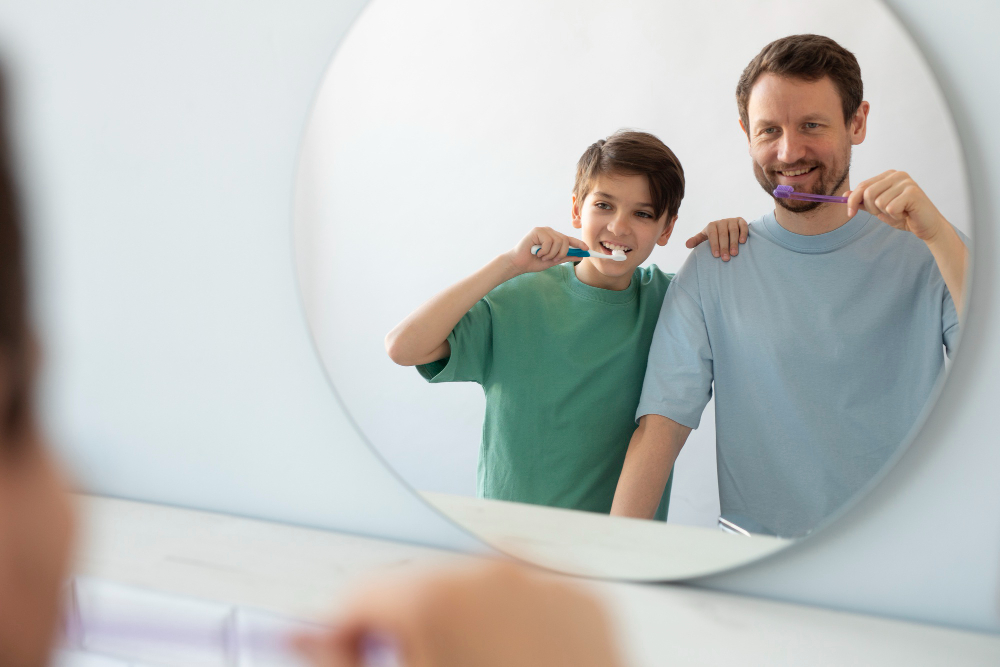
When people
think about oral health, they often imagine teeth as static objects—white,
hard, and lifeless. In reality, your mouth is more like a busy city,
full of living organisms, constant movement, and delicate balance.
Understanding this changes everything about how we care for our teeth and gums.
The Mouth Microbiome: Friends, Not Enemies
Most oral
health advice focuses on killing bacteria. But here’s the truth:
not all bacteria are bad.
Your mouth
hosts hundreds of bacterial species, many of which protect you. They help:
- Control harmful microbes
- Support digestion
- Maintain healthy gums
The goal
isn’t to sterilize your mouth—it’s to keep balance. Overusing harsh
mouthwashes or whitening products can disrupt this ecosystem, leading to
sensitivity, dry mouth, or even more cavities over time.
Tip: Choose alcohol-free mouthwash and
avoid “extreme” whitening routines.
Saliva: The Most Underrated Hero
Saliva
doesn’t get enough credit. It’s your mouth’s natural defense system.
Saliva:
- Neutralizes acids
- Washes away food particles
- Helps repair early enamel
damage
Dry mouth
(caused by stress, dehydration, or excessive caffeine) creates the perfect
environment for decay.
Simple
habit: Sip water regularly
and chew sugar-free gum when you can’t brush. Your saliva will do more work
than you think.
Brushing Harder ≠ Brushing Better
Many people
believe brushing harder means cleaner teeth. Unfortunately, this is one of the
fastest ways to damage enamel and irritate gums.
Think of
brushing like polishing glass, not scrubbing a dirty pan.
- Use a soft-bristled brush
- Apply gentle pressure
- Let time, not force, do the job
Electric
toothbrushes can help regulate pressure, but technique still matters more than technology.
Gums Speak Before Teeth Do
Teeth rarely
hurt until a problem is advanced. Gums, however, send early warning signs:
- Bleeding
- Swelling
- Color changes
Ignoring gum
health is like ignoring the foundation of a building. Even strong teeth can
fail if the support system collapses.
New mindset: Healthy gums are not a
bonus—they’re the baseline.
Food Is Dental Care in Disguise
Instead of
asking “What foods damage teeth?”, ask:
“Which foods help my mouth recover?”
Tooth-friendly
foods include:
- Crunchy vegetables (they
stimulate saliva)
- Cheese (neutralizes acid)
- Nuts and seeds (rich in
minerals)
Sugary foods
aren’t the only problem—frequent snacking is. Constant acid attacks give
your teeth no time to heal.
Try this: Eat fewer times per day, but more mindfully.
Stress Leaves Marks on Your Teeth
Clenching,
grinding, and jaw tension are often emotional before they are physical. Many
people damage their teeth while asleep, unaware of the pressure they apply
nightly.
Signs of
stress-related dental issues:
- Morning jaw pain
- Headaches
- Flattened teeth
Oral health
isn’t just about hygiene—it’s about lifestyle.
Solution: Stress management, proper sleep,
and in some cases, a night guard can protect your teeth long-term.
Dental Visits Are Preventive, Not Punitive
Dentists are
often seen as problem-fixers. In reality, their greatest value is preventing
problems you can’t see yet.
Small
issues—tiny cracks, early gum disease, enamel weakness—are invisible without
professional tools.
Skipping
checkups doesn’t save money; it delays reality.
Are you ready to modernize your clinic?
Join over 500 international clinics that use Medvouch to make their patient cycle more efficient.