
Teeth Whitening: Myths vs Facts
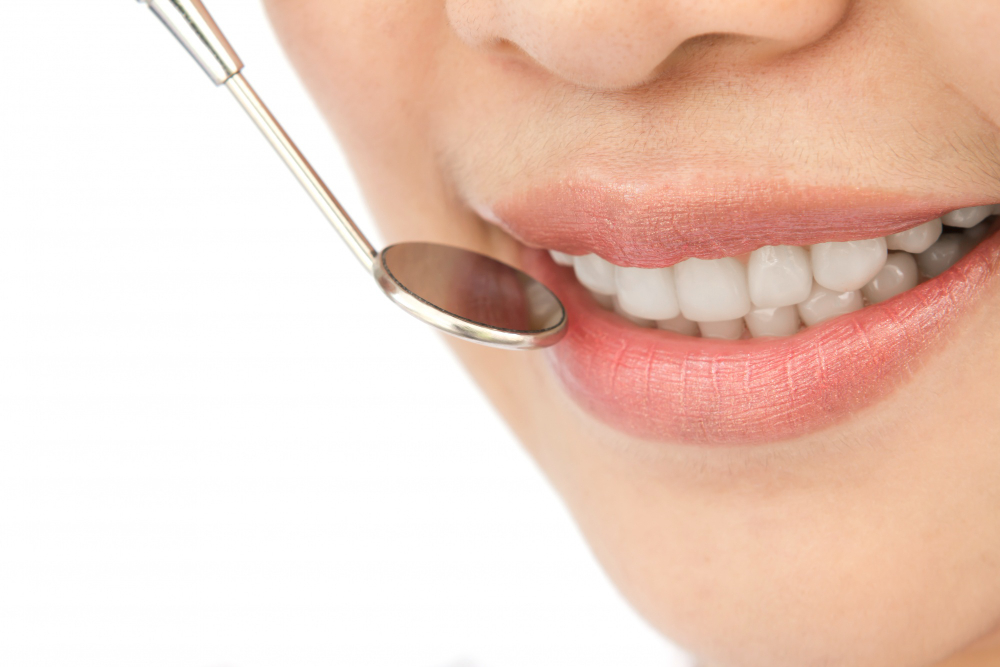
A bright, white smile is often associated with confidence, health, and beauty. With the rising popularity of cosmetic dentistry, more people are exploring ways to enhance their smiles. However, along with this interest comes a wave of misinformation. In this article, we’ll break down common teeth whitening myths and reveal the truth behind them, helping you make informed decisions about safe teeth whitening.
Whitening Damages Your Teeth
One of the most widespread teeth whitening myths is that the process harms enamel. In reality, professionally approved whitening products are designed to be safe and effective. When used correctly—especially under the guidance of a dental professional—these treatments do not damage your teeth. The key is moderation and proper usage.
Fact: Safe teeth whitening products contain ingredients like hydrogen peroxide or carbamide peroxide, which temporarily open pores in the enamel to remove stains without causing permanent harm.
DIY Remedies Are Just as Effective
From baking soda to lemon juice, the internet is full of DIY whitening hacks. While some of these may show mild results, they can often do more harm than good.
Fact: Many DIY methods are abrasive or acidic, which can erode enamel and increase sensitivity. Following cosmetic dentistry tips from professionals is always a safer route than experimenting with unverified home remedies.
Whitening Results Are Permanent
Some people believe that once they whiten their teeth, the results will last forever. Unfortunately, that’s not the case.
Fact: Teeth whitening is not permanent. Lifestyle habits such as drinking coffee, tea, or red wine, as well as smoking, can cause new stains to develop. Regular maintenance and good oral hygiene are essential to prolong results.
All Whitening Products Are the Same
Another common misconception is that all whitening products deliver identical results.
Fact: There is a wide range of whitening options available—from over-the-counter strips to professional in-office treatments. Their effectiveness varies depending on concentration, application method, and individual dental conditions. Understanding dental whitening facts can help you choose the right option for your needs.
Whitening Works on All Types of Discoloration
Not all stains respond equally to whitening treatments.
Fact: Surface stains (caused by food and drinks) typically respond well to whitening. However, deeper discoloration, such as those caused by medication or trauma, may require alternative cosmetic dentistry procedures like veneers or bonding.
Are you ready to modernize your clinic?
Join over 500 international clinics that use Medvouch to make their patient cycle more efficient.