7 Mistakes That Are Ruining Your Teeth
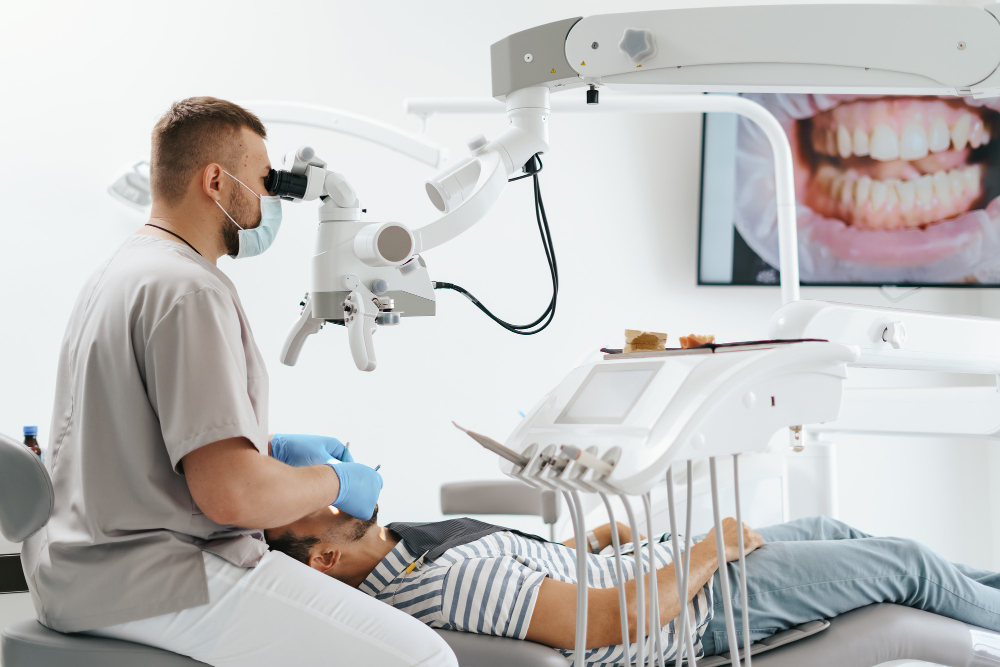
A healthy smile isn’t just about aesthetics—it’s a key part of your overall well-being. Yet, many people unknowingly fall into daily routines that harm their teeth over time. In this blog, we’ll explore common tooth damage habits and share essential oral health tips to help you improve your tooth protection routine with expert-backed dentist tips.
1. Brushing Too Hard
It might seem like brushing harder cleans better, but aggressive brushing can wear down enamel and irritate your gums. One of the most overlooked dental care mistakes is using too much force instead of proper technique. Use a soft-bristled toothbrush and gentle, circular motions for effective cleaning.
2. Skipping Flossing
Brushing alone only cleans about 60% of your teeth surfaces. Skipping flossing allows plaque and food particles to build up between teeth, leading to cavities and gum disease. This is one of the most common tooth damage habits people ignore.
3. Consuming Too Many Sugary Drinks
Frequent consumption of soda, fruit juices, and energy drinks exposes your teeth to sugar and acid. These weaken enamel and increase the risk of decay. Limiting sugary beverages is a simple but powerful oral health tip.
4. Using Teeth as Tools
Opening packages or biting nails with your teeth may seem harmless, but it can cause chips, cracks, or even fractures. This risky behavior is a major threat to tooth protection and should be avoided.
5. Grinding Your Teeth (Bruxism)
Teeth grinding, especially during sleep, can wear down enamel and cause jaw pain. Many people aren’t even aware they do it. Dentists often recommend night guards as part of effective dentist tips for preventing long-term damage.
6. Ignoring Regular Dental Checkups
Avoiding the dentist until something hurts is a serious mistake. Regular checkups help catch issues early before they become costly or painful. Preventive care is essential for maintaining good oral health.
7. Brushing Immediately After Eating
Brushing right after consuming acidic foods or drinks can actually harm your enamel, which is temporarily softened. Waiting at least 30 minutes before brushing is a smarter approach and a lesser-known oral health tip.
Are you ready to modernize your clinic?
Join over 500 international clinics that use Medvouch to make their patient cycle more efficient.